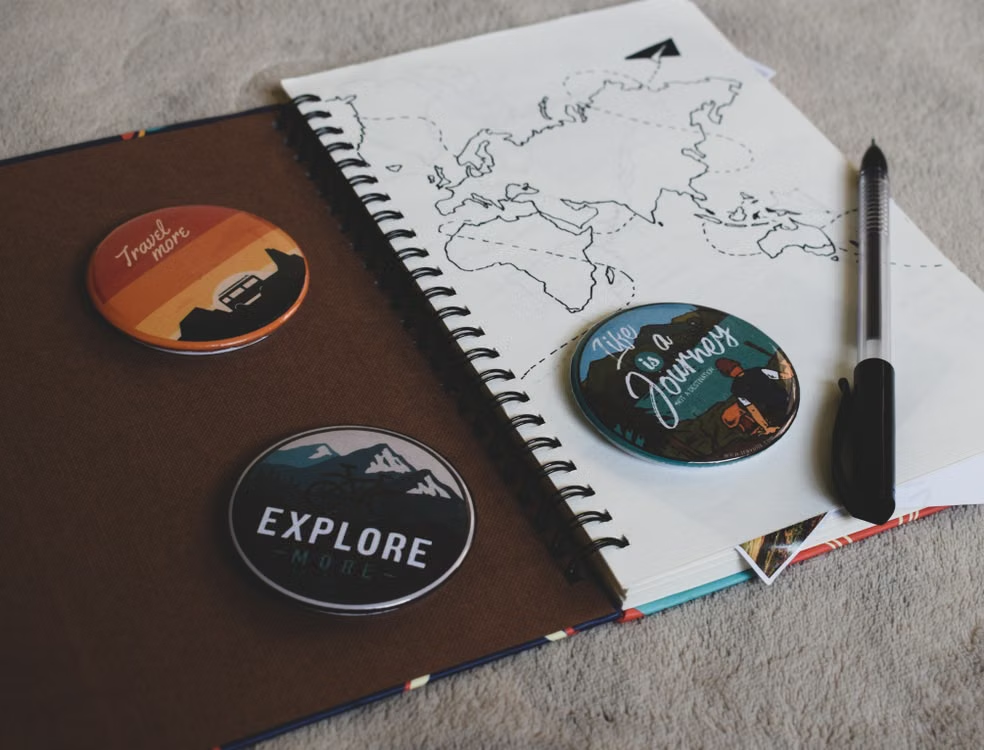
A travel journal can preserve both memories and practical lessons. It does not need to record every meal or stop. A few details chosen while they are fresh may be enough to make the trip recognizable later.
Choose a simple format
Use a notebook or a digital format you already understand. Decide how much you want to record and when. A short note at the end of a day can be easier to maintain than writing a full account during every activity.
Keep sensitive booking details, identification information, and private conversations out of material you plan to share.
Record experience as well as logistics
Write one thing you noticed, one thing you enjoyed, and one thing you would change. Include the context: a comfortable journey, an unexpectedly interesting place, or a schedule that felt too crowded.
Practical notes can help with a future trip, but prices, opening times, and services may change. Mark them as past experience rather than current guidance.
Be thoughtful about photographs and stories
- Do people pictured agree to sharing?
- Does the note include unnecessary private information?
- Which details will help me remember the moment?
- What would I check again before returning?
You can keep some memories entirely private. A journal does not need an audience to be worthwhile.
Your next step is to write a short entry about a recent outing. Choose the details that you would personally enjoy finding a year from now.