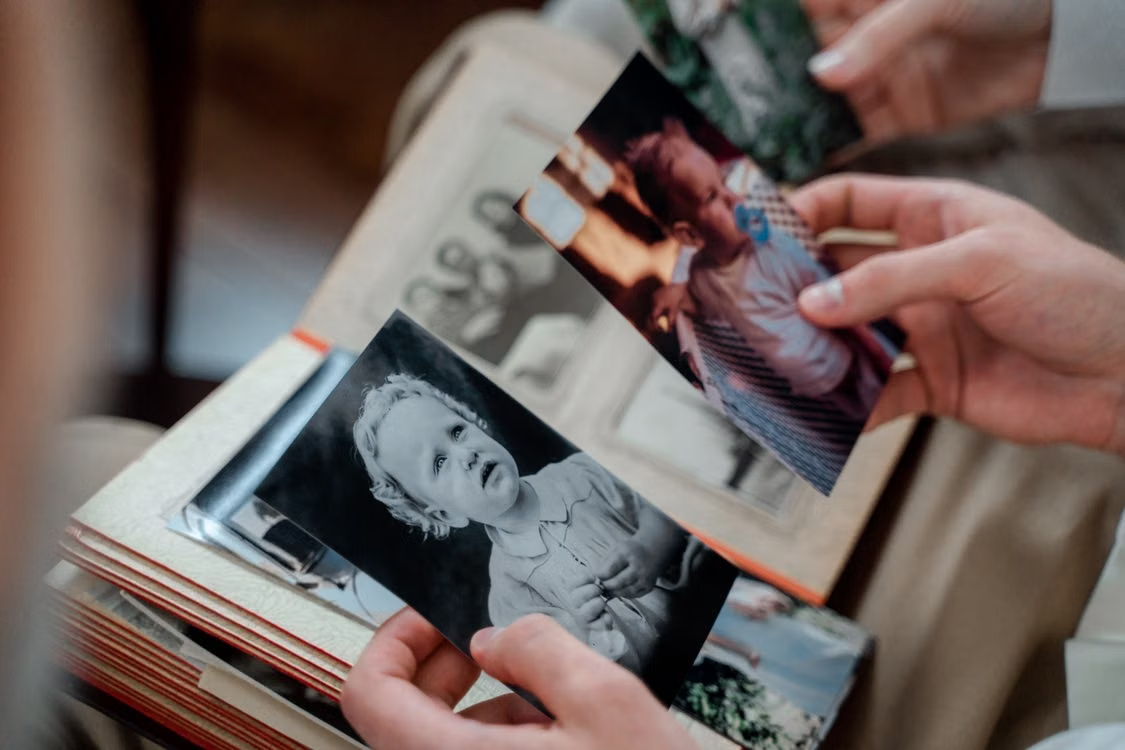
Sentimental belongings are often difficult to sort because they represent people, places, and earlier chapters of life. A useful process leaves room for that meaning while helping you make practical choices about space.
Choose a small starting point
Begin with one shelf, box, or category. Set a comfortable stopping time and keep everyday tasks manageable around the sorting area. Avoid opening so many boxes that the room becomes difficult to use.
Make temporary groups for keep, discuss, undecided, and ready to pass on. An undecided group can give you time, but keep it small enough to revisit rather than turning it into a new storage system.
Talk before passing things on
If you hope a family member will want an item, ask without creating an obligation. Explain its story and accept that someone may value the memory without having room for the object.
A photograph or written account may preserve part of the meaning, although it does not need to replace every item you want to keep.
Handle special questions separately
Ownership, documents, potentially valuable items, and disposal requirements may need specific guidance. Do not include another person’s belongings in a donation or sale without their agreement.
- Why does this item matter to me?
- Do I want to use or display it?
- Does someone else need to be consulted?
- What decision can wait until another session?
Finish by putting the room back into use and recording the next small area to consider. Progress does not have to mean finishing every decision today.